Busy vs. Slow: How Your McDonald's Location Traffic Shapes the Feedback That Actually Reaches Corporate
Photo: PattayaPatrol, CC BY-SA 4.0, via Wikimedia Commons
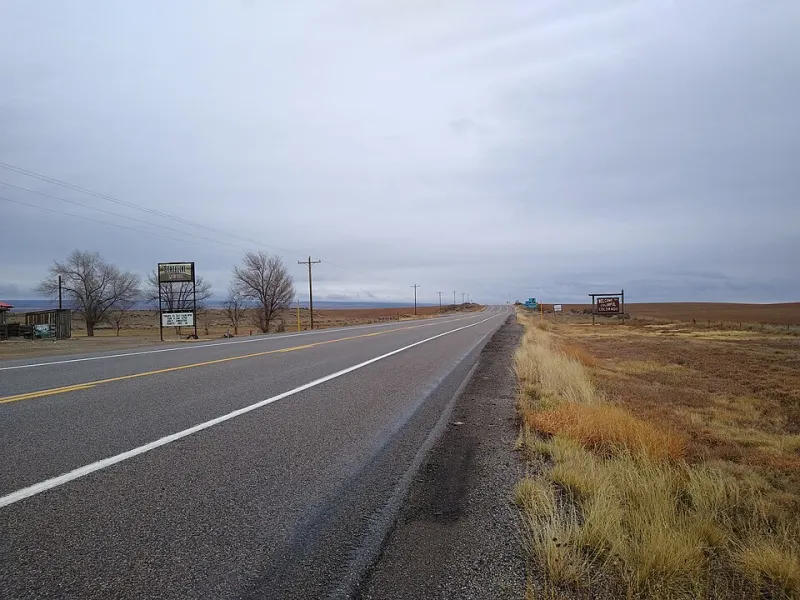
Imagine two McDonald's restaurants. One sits off a Manhattan intersection, cranking out thousands of orders a day, staffed by rotating shifts of workers managing a near-constant rush. The other is tucked alongside a two-lane highway in rural Kentucky, where the lunch crowd might top out at a couple hundred people and the manager knows half of them by name.
Both locations use the same McDVoice survey system. Both generate receipts with the same survey code format. But the feedback that flows from each of these restaurants — the volume, the content, the emotional register — is almost certainly very different. And that difference matters more than most customers realize.
The Volume Gap Is Bigger Than You Think
High-traffic McDonald's locations, particularly those in dense urban areas or along major highway corridors, generate a dramatically higher number of McDVoice submissions simply because they serve dramatically more customers. A flagship location near a busy shopping center might accumulate hundreds of survey responses in a single week. A quieter rural franchise might see a fraction of that over the same period.
This volume disparity has real consequences for how feedback is processed and weighted. When McDonald's corporate data teams analyze location-level trends, they're working with sample sizes that vary enormously. A pattern that shows up in 400 urban submissions carries statistical weight that the same pattern in 30 rural submissions simply doesn't.
For customers at lower-traffic locations, this creates a quiet but significant challenge: your feedback might be technically received but practically underweighted in aggregate analysis.
What Urban Locations Hear vs. What Suburban Ones Do
The type of complaints and compliments also tends to differ in predictable ways across location types, and it tracks closely with the unique pressures each environment creates.
High-volume urban locations tend to generate feedback clustered around speed, accuracy, and staff attitude. When you're processing hundreds of drive-thru orders during a 45-minute lunch rush, the margin for error narrows. Missing items, incorrect orders, and rushed service become more frequent — and customers in fast-paced urban environments are often less willing to extend grace when their limited lunch break is on the line. Survey responses from these locations skew toward operational complaints.
Suburban and mid-size city locations often receive mixed feedback that balances food quality concerns with facility cleanliness and family dining experience. The customer base at these locations tends to include more families and leisure visitors, which shifts what people are paying attention to — whether the PlayPlace is clean, whether staff were friendly to kids, whether the dining room felt comfortable.
Rural locations generate a different kind of feedback altogether. Because these restaurants often serve tight-knit communities where staff turnover is lower and regulars are genuinely regular, complaints tend to be more specific and personal. Customers at a rural McDonald's are more likely to reference specific employees by name — both in praise and in criticism. The relationship between diner and restaurant is less transactional and more community-embedded.
Does McDonald's Corporate Adjust for Location Context?
This is the question that matters most for customers wondering whether their feedback actually lands with the people who can act on it.
The honest answer is: probably yes, but the specifics aren't publicly disclosed.
McDonald's corporate operates a sophisticated data infrastructure, and it would be surprising if their analysis teams didn't apply some form of contextual weighting or segmentation when reviewing location-level feedback. Comparing a Times Square location to a small-town franchise on raw metrics alone would produce misleading conclusions — the operational benchmarks are simply different.
What's more likely is that feedback is analyzed within peer groups — locations of similar size, volume, and market type are evaluated against each other rather than against the entire system. This means a rural franchise isn't being held to the same throughput standards as a high-volume urban one, and feedback is presumably interpreted within that framework.
For customers, this is actually somewhat reassuring. Your complaint about slow service at a quiet suburban location isn't being dismissed because it doesn't match the urgency of a complaint from a downtown franchise. It's being evaluated in context.
The Franchise Owner Factor
Here's a layer that often gets overlooked in conversations about how McDVoice feedback travels up the chain: most McDonald's locations in the US are independently owned franchises, not corporate-operated restaurants.
This means the first stop for your survey feedback isn't McDonald's corporate headquarters — it's the franchise owner or their designated operations manager. How seriously that individual takes the feedback, how quickly they review it, and what actions they choose to take in response varies significantly from owner to owner.
At a busy urban franchise where the owner is managing multiple locations, your survey might be one of hundreds reviewed in a batch at the end of the week. At a small-town location where the owner is often on-site daily, your feedback might be read the same afternoon you submit it.
The franchise structure means that location traffic patterns influence not just what feedback is generated, but how personally and promptly it's received on the other end.
What This Means for You as a Customer
If you're taking the time to fill out a McDVoice survey — and you should, because the feedback loop is real even if it's imperfect — understanding your location's context can help you write more effective responses.
Be specific. Vague complaints like "service was slow" are harder to act on regardless of location type. Noting the approximate time of your visit, the order method (dine-in, drive-thru, mobile order), and the specific nature of the issue gives franchise managers something concrete to investigate.
Positive feedback matters too, especially at smaller locations. At a high-volume urban franchise, a single glowing review is a drop in a very large bucket. At a quieter rural or suburban location, that same review might genuinely make a staff member's month — or catch the attention of a franchise owner who's trying to retain good employees.
Don't assume your feedback disappears. The temptation to skip the survey is strong when you're skeptical it'll make a difference. But lower-traffic locations often see more direct response to feedback precisely because the signal-to-noise ratio is better. Your complaint is easier to trace and easier to address when it's one of thirty that week rather than one of three hundred.
The Bigger Picture
The McDVoice system is, at its core, a tool for translating individual dining experiences into organizational data. But data is never neutral — it's always shaped by the conditions under which it's collected. Traffic volume, location type, franchise ownership, and community context all influence what feedback gets submitted and how it gets used.
Knowing that your local McDonald's operates within a specific feedback ecosystem doesn't mean you should game the system or inflate your responses. It means you should understand that your voice has a particular weight and reach depending on where you eat — and use that knowledge to make your feedback as clear, specific, and actionable as possible.
Whether you're a regular at a bustling city location or a loyal customer at a small-town franchise, your survey response is part of a larger conversation between American diners and one of the country's most ubiquitous restaurant chains. That conversation is worth having — even when the logistics are more complicated than a receipt code and a seven-question form make it seem.