Before There Was a Survey Code: How McDonald's Spent Decades Teaching American Kids to Speak Up
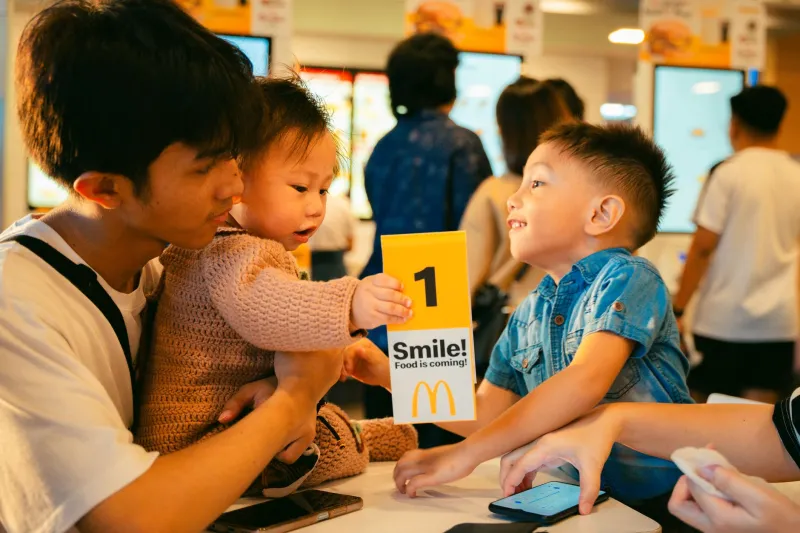
Think about the first time you ever gave a company your opinion. If you grew up in America in the last fifty years, there's a decent chance it happened in a McDonald's booth, crayon in hand, grading your own Happy Meal.
That's not an accident. McDonald's figured out something decades before online surveys existed: if you ask kids what they think — and actually make it fun — they'll tell you. And they'll keep telling you for the rest of their lives.
Birthday Parties Were the Original Focus Groups
Ask anyone who grew up in the '80s or '90s about McDonald's birthday parties and you'll get a story. The hats. The cake. That unsettlingly cheerful costumed character making the rounds.
What most people didn't realize at the time: these parties were also listening sessions. Parents filled out follow-up cards. Kids were asked which toys they liked, which characters they loved, what they'd want next time. The feedback loop wasn't digital — it was paper, stickers, and a mail-back envelope.
It was clumsy by today's standards. But it worked. Families felt like McDonald's cared what they thought, and that feeling stuck.
Happy Meals Came With Homework
The Happy Meal itself was a masterstroke of feedback culture. Tray liners with puzzles. Comment cards tucked next to the fries. Some promotions even invited kids to "vote" for their favorite characters or menu items.
Was it scientific research? Not exactly. But it planted a seed: your opinion matters here. When that same kid became an adult scanning a receipt for a survey code, the habit was already there.
The Kids' Club Era
McDonald's kids' clubs and membership mailers in the late '80s and '90s took things further. Newsletters asked questions. Members got sneak peeks and were asked to weigh in. It was gamified feedback before anyone called it that — the same psychology that makes today's McDVoice survey feel like less of a chore and more of a small mission.
From Crayons to Survey Codes
Fast forward to now. The McDVoice survey is the direct descendant of those comment cards. The medium changed — receipts now carry a 26-digit code instead of a mail-back card — but the core idea never did: the people eating the food get a say in how it's made.
And here's the part that surprises people: corporate actually uses it. Store managers get scored on survey results. Repeat complaints about a specific location or menu item can trigger real changes, from staffing adjustments to menu tweaks. The kid who once circled his favorite Happy Meal toy grew up, and the company grew up with him.
Why the Nostalgia Matters
There's a reason so many Americans have a soft spot for the Golden Arches, and it isn't just the fries. It's the feeling — instilled at age six with a crayon and a comment card — that this is a place where your voice counts.
So next time your receipt invites you to take the survey, take it. You're not just rating a drive-thru run. You're continuing a conversation that started decades ago, at a birthday table, with a paper hat on your head and something to say.