From Feedback Form to Fryer: The Surprising Ways Your McDVoice Survey Actually Changes McDonald's Menus
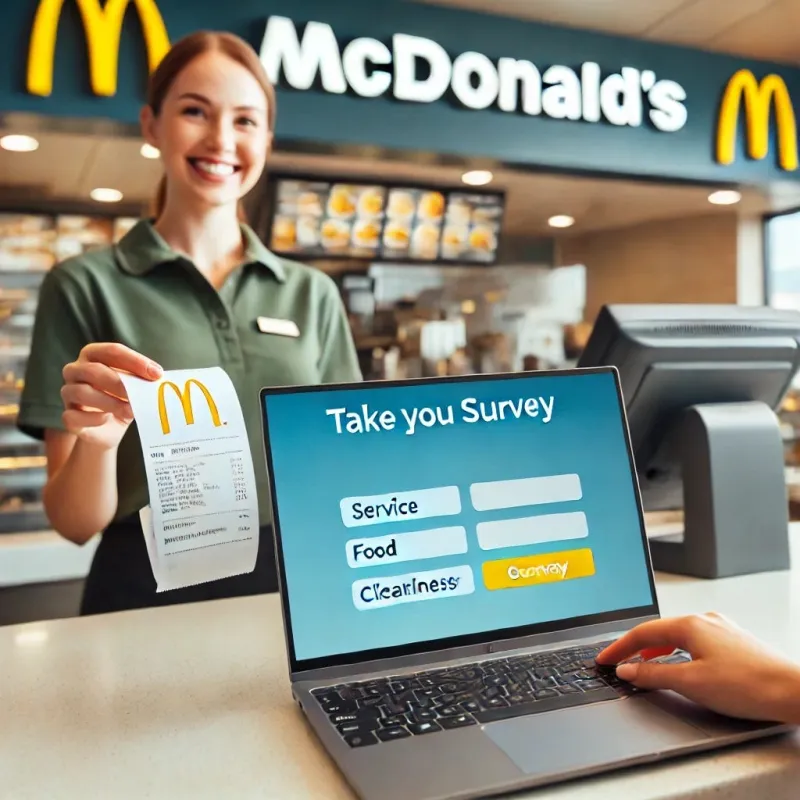
Photo: McDonald's customer filling out survey on smartphone at restaurant table, via miro.medium.com
The Survey That Started a Conversation Nobody Expected
Most of us fill out a feedback survey and figure that's the end of it. You punch in your receipt code, slide through a few questions about your fries and your cashier's smile, and move on with your day. But what if that two-minute form was actually the first step in a chain reaction that ended up changing what millions of Americans eat for lunch?
That's not a hypothetical. McDonald's has a long, documented history of using customer feedback — gathered through platforms like McDVoice — to reshape its menu, retrain staff, and redesign the in-restaurant experience. The pipeline from survey submission to corporate strategy is more real than most customers realize, and it's worth pulling back the curtain on how it actually works.
How the Feedback Loop Is Built
McDonald's operates one of the most sophisticated customer data systems in the fast food industry. Every McDVoice response feeds into a broader analytics framework that aggregates responses by region, franchise location, time of day, and even weather patterns. A single survey from a customer in Columbus, Ohio, might not move the needle on its own — but when 40,000 customers in the Midwest all flag that their McFlurries are consistently too melted, that's a signal the system flags for regional operations teams.
Franchise owners, who operate the majority of McDonald's US locations, receive regular reports summarizing what their specific customers are saying. These aren't vague summaries — they're granular breakdowns of scores across food quality, speed of service, cleanliness, and staff friendliness. An owner in suburban Atlanta can see exactly how their Tuesday lunch rush compares to the regional average, and where they're losing points.
"The survey data is one of the first things I look at every week," said one Midwest franchise operator who asked to remain anonymous. "If I'm seeing consistent complaints about wait times at the drive-thru between 5 and 7 PM, I know I need to look at my staffing model for that window. The customers are basically doing my quality control for me."
The Menu Items That Customers Helped Create
Some of McDonald's most successful menu additions in recent years have roots in customer feedback data. The reintroduction of beloved items — and the quiet discontinuation of underperformers — follows patterns that are heavily influenced by what survey respondents say they want.
Take the ongoing saga of the McRib. Its periodic returns aren't random marketing stunts. They're partly driven by sustained customer demand signals that McDonald's tracks across multiple data sources, including survey responses asking about menu satisfaction and missing items. When customers in certain regions consistently express nostalgia or desire for specific offerings, that data sits in a queue that product development teams review during menu planning cycles.
Similarly, the expansion of chicken-forward menu items over the past several years — the Crispy Chicken Sandwich lineup, the spicy variants, the nugget flavor extensions — mirrors a clear trend in survey data showing that US customers were increasingly prioritizing chicken over beef options. The feedback didn't happen overnight, and neither did the menu shift, but the correlation is hard to ignore.
A former McDonald's regional manager who worked in the Southeast for over a decade described the process this way: "Corporate doesn't just wake up one day and decide to add something new. There are months of data review before any product gets greenlit. Customer feedback is a huge part of that early-stage evidence gathering."
When Local Voices Go National
One of the more fascinating aspects of the McDVoice feedback system is how regional patterns can escalate into national policy. The rollout of mobile ordering and curbside pickup — features that are now standard across the US — was partly accelerated by feedback data showing that customers in urban markets were frustrated with lobby congestion and long counter wait times.
Customers in cities like Chicago, Los Angeles, and New York were disproportionately flagging service speed as a pain point in their survey responses. That geographic clustering got attention. Within a couple of years, the infrastructure investment in digital ordering and dedicated pickup lanes went from pilot program to nationwide standard.
This is the part that surprises most customers when they hear it: your zip code matters. Because feedback is tied to specific locations, McDonald's can identify whether a problem is systemic (happening everywhere) or localized (happening in one region or franchise cluster). That distinction changes how the company responds — and how fast.
A Customer Who Saw It Happen
Jennifer, a regular McDonald's customer from suburban Dallas, remembers filling out a McDVoice survey about two years ago specifically to complain about the lack of a spicier sauce option for McNuggets. She didn't expect anything to come of it. "I figured it was just one of those things where you vent and nothing changes," she said.
A few months later, she noticed a new dipping sauce option on the menu board at her local location. Was it directly because of her survey? Almost certainly not — one response doesn't trigger a product launch. But she was part of a chorus. "It made me realize that if you actually take the time to be specific and honest, you're adding your voice to something bigger," she said. "Now I always fill it out."
Your Survey Is Worth More Than a Free Fry
The validation code you get at the end of a McDVoice survey is a nice little perk, sure. But the real exchange happening here is bigger than a discounted menu item. You're contributing to a data ecosystem that shapes what McDonald's serves, how it trains employees, and how it designs its restaurants.
The more specific and honest your responses, the more useful they are. Vague answers score well but don't move anything. Detailed feedback — especially about specific moments in your visit, specific items, specific staff interactions — gives the system and the franchise owners something actionable to work with.
Next time you sit down with your Big Mac and pull up that receipt, consider that your opinion has a real destination. It's not going into a suggestion box that nobody opens. It's going into a system that McDonald's has spent millions of dollars building specifically because they know that customers, in aggregate, are the best product developers they've got.
Your McDVoice survey isn't just feedback. It's influence.