Does It Matter When You Hit Submit? The Timing Truth Behind McDVoice Survey Responses
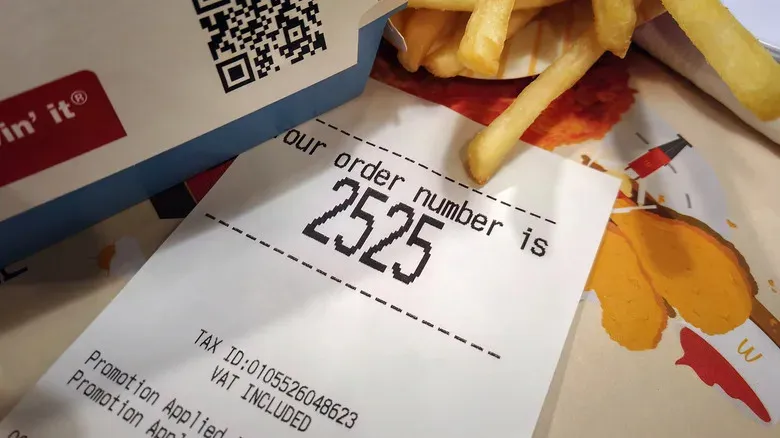
Most people treat the McDVoice survey like a parking ticket — something to deal with eventually, maybe over coffee, maybe never. You tuck the receipt in your pocket, forget about it for three days, then remember it exists while cleaning out your car. Sound familiar?
Here's the thing: that casual approach to timing might be quietly working against you. While McDonald's corporate messaging emphasizes that every piece of feedback matters, the internal reality of how franchise managers process incoming survey data tells a more nuanced story. When you submit your survey isn't just a logistical detail — it can actually influence whether your feedback gets a meaningful look or gets buried in a backlog.
Let's break down what's really happening on the other side of that submit button.
The Window That Actually Matters
Your McDVoice survey code is stamped with a deadline — typically 30 days from the date on your receipt — but that expiration date and the ideal submission window are two very different things. Just because you can wait doesn't mean you should.
Feedback submitted within a few hours of your visit carries something that delayed responses simply can't replicate: context. The staff who served you are still on shift. The manager on duty is still on the floor. The issue — whether it was a cold order, a rude interaction, or a surprisingly great experience — is still fresh and traceable.
When a franchise manager pulls up their survey dashboard and sees a complaint tied to a visit that happened two hours ago, they can actually do something about it. Cross-reference it with shift logs. Identify which crew member was working the window at that time. Connect the dots. A survey submitted two weeks later? That same manager is essentially reading historical fiction. The moment has passed, the staff has rotated, and the actionable trail has gone cold.
Peak Hours vs. Off-Peak: The Hidden Triage Problem
Here's where things get interesting — and a little inconvenient if you're a lunch rush regular.
Franchise managers don't monitor their feedback dashboards in real time during busy periods. That would be logistically impossible. During the 11:30 a.m. to 1:30 p.m. lunch window, or the brutal 5 p.m. to 7 p.m. dinner crunch, the people who could respond to your feedback are actively firefighting on the floor. Drive-thru times, order accuracy, staffing gaps — that's where their attention goes.
Surveys submitted during these windows don't disappear, but they do get reviewed later, often in batches, sometimes the next morning. That changes how feedback gets triaged. A single critical response submitted at 12:15 p.m. on a Tuesday might get lumped in with 40 others from that same lunch period, making it harder to stand out or prompt individual attention.
Contrast that with a survey submitted around 9 a.m. or 3 p.m. — classically slower windows for most McDonald's locations. Managers are more likely to be doing administrative work during these hours, which includes reviewing feedback. Your submission is more likely to land in a quieter inbox and get genuine individual attention rather than a batch-processed skim.
Does Immediate Feedback Actually Carry More Weight in the System?
This is the question most survey regulars want answered, and the honest answer is: it depends on how you define "weight."
From a data-processing standpoint, McDonald's corporate systems don't formally rank survey responses by how quickly they were submitted after a visit. A response is a response. The algorithms that aggregate satisfaction scores and flag problem locations don't have a timestamp-priority filter baked in.
But from a human standpoint — the franchise owner reading comments, the general manager deciding what to address at the next team meeting — recency absolutely matters. Feedback that's fresh feels urgent. Feedback about a visit from three weeks ago feels like a complaint that didn't bother the customer enough to mention sooner. That's not a fair interpretation, but it's a human one, and the people reviewing your feedback are, in fact, human.
There's also a practical detail worth noting: surveys submitted quickly after a visit are more likely to be detailed and accurate. Memory fades fast. That specific thing the cashier said, the exact item that was wrong, the particular booth that was sticky — those details get fuzzy within 24 to 48 hours. A vague complaint is harder to act on than a specific one, regardless of when it arrives.
The Practical Sweet Spot
So what's the actual recommendation here? If you want your McDVoice survey to land with maximum impact, aim for this window: same day as your visit, but not immediately in the parking lot.
Giving yourself 30 to 90 minutes accomplishes a few things. You've had time to settle, so your feedback is measured rather than reactive. The visit is still sharp in your memory, so your details will be specific. And if you time it right — submitting mid-morning or mid-afternoon — you're more likely to hit a quieter review window on the manager's end.
Avoiding the weekend dinner rush and Monday morning batch-review pileups is also smart. Anecdotally, Tuesday through Thursday submissions during off-peak hours seem to generate the most individual attention, at least based on patterns reported by frequent survey participants in online McDonald's enthusiast communities.
Don't Sleep on the Expiration Date Either
While we're on the subject of timing: please don't wait until day 28 to submit. Late-window surveys still count toward corporate data aggregation, but they're essentially useless from a location-level response standpoint. No manager is going to investigate an incident from a month ago. The operational window for meaningful follow-up has long closed.
If you're going to take the time to fill out a McDVoice survey — and there are real reasons to do so, from the validation codes to the genuine impact on local service — treat it like leftovers. Best consumed fresh.
The Bigger Picture
Timing your survey submission might feel like a minor detail in the grand scheme of things, but it's one of the few variables you actually control in the feedback process. You can't control which location you visit, how busy the staff is, or whether corporate decides to act on your input. But you can choose when you submit.
And in a system that processes millions of survey responses across thousands of U.S. locations, the small choices that help your feedback rise above the noise are worth making. Hit submit while the moment still matters — to you, and to the people on the other side who might actually do something about it.