The Spokesperson at the Table: How Families Decide Who Fills Out the McDVoice Survey
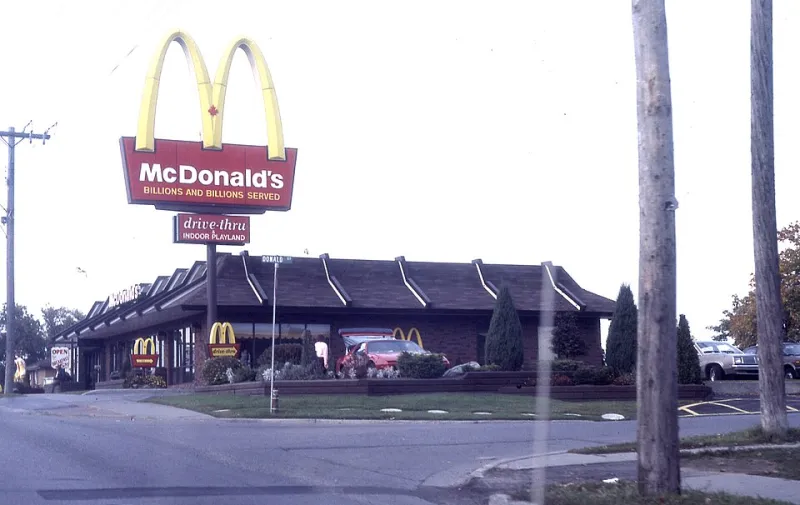
Photo: Keller Family, CC0, via Wikimedia Commons
Picture the scene. A family pulls into a McDonald's drive-thru on a Tuesday night. Two adults, two kids, maybe a grandparent in the back seat. They order a mix of Happy Meals, a Big Mac, a Filet-O-Fish, and a round of McFlurries. The total is $38.47. The cashier hands over one receipt with one survey code.
That receipt becomes the family's official voice. Whoever ends up with it decides what McDonald's hears. And that decision is rarely neutral.
The receipt holder is the household lobbyist
In most families, the person who pays gets the receipt. That's usually a parent. And parents tend to care about different things than their kids. They care about speed, value, and whether the order was right. They might not notice that the fries were slightly under-salted or that the Coke had too much ice. They notice that the wait was long or that the Happy Meal toy was missing.
When a parent fills out the survey, their priorities dominate. They might write 'service was slow' even if the kids were perfectly happy with their food. Or they might write 'great staff' even if the fries were cold. The survey captures the parent's experience, not the family's.
Teens and the customization vote
Teens are a different story. They're more likely to order custom items—no pickles, extra sauce, a specific size. They're also more likely to use the app. If a teen gets the receipt, their feedback might focus on whether the customization was respected. Did the kitchen actually hold the mayo? Did the app let them add a McFlurry to the order without a glitch?
Teens also care about limited-time items. If a new sandwich is missing an ingredient or tastes different from the ad, a teen is more likely to mention it. That feedback can influence menu decisions. Corporate watches for patterns in younger customers because they're often the first to try new things.
Grandparents and the service lens
Grandparents bring a different lens. They might focus on cleanliness, seating, and staff friendliness. They notice whether the dining room is tidy, whether the restrooms are stocked, and whether someone greeted them at the counter. Their survey comments can trigger service improvements that younger customers overlook.
If a grandparent fills out the survey after a family meal, the feedback might be about the atmosphere rather than the food. That's not a bad thing. It gives McDonald's a fuller picture of the visit. A store that gets repeated comments about a messy dining room may add a cleaning rotation. A store that gets praised for friendly staff may use that in training.
The picky eater's silent survey
Kids don't fill out surveys. But their preferences show up anyway. If a child refuses to eat a burger because it has too much ketchup, the parent might mention it. If a Happy Meal toy is disappointing, the parent might write about it. Those comments are proxies for the kid's experience.
Corporate reads them carefully. Happy Meal feedback can influence toy selection, packaging, and even menu items. If enough parents complain that the apple slices are brown or the milk was warm, McDonald's may adjust its supply chain. The picky eater never touched the survey, but their voice came through.
What family-shaped feedback reveals
Families order differently than solo customers. They order more items, more variety, and more customizations. That makes their feedback uniquely useful for spotting operational problems. A missing sauce packet matters more when it's supposed to come with three meals. A cold burger matters more when it's one of five items that need to be hot at the same time.
Family feedback also reveals packaging issues. Large orders are harder to assemble correctly. If surveys show that families frequently report missing items, McDonald's may review its order-packing process. That's a fix that benefits everyone, not just families.
When the receipt goes to the wrong person
Sometimes the receipt ends up with someone who didn't pay. Maybe a teen grabs it, or a grandparent picks it up from the tray. That can change the feedback entirely. A teen might write about the app experience. A grandparent might write about the dining room. Neither is wrong, but both are partial.
The risk is that the loudest person in the car becomes the family's spokesperson. If one person is having a bad day, the survey might reflect that mood rather than the meal. That's why it helps to talk about the visit before filling out the survey.
A family survey strategy
If you want your family's feedback to be useful, decide who fills it out and why. If the main issue was order accuracy, let the person who unpacked the bag write it. If the main issue was service, let the person who interacted with the crew write it. And include specifics: who ordered what, what was missing, and what would have made it right.
The receipt is a proxy vote. Use it wisely, and your family's voice will be more than a single data point. It'll be a signal that McDonald's can actually use.