Shouting Into the Void: What Really Happens to Your McDVoice Survey After You Hit Submit

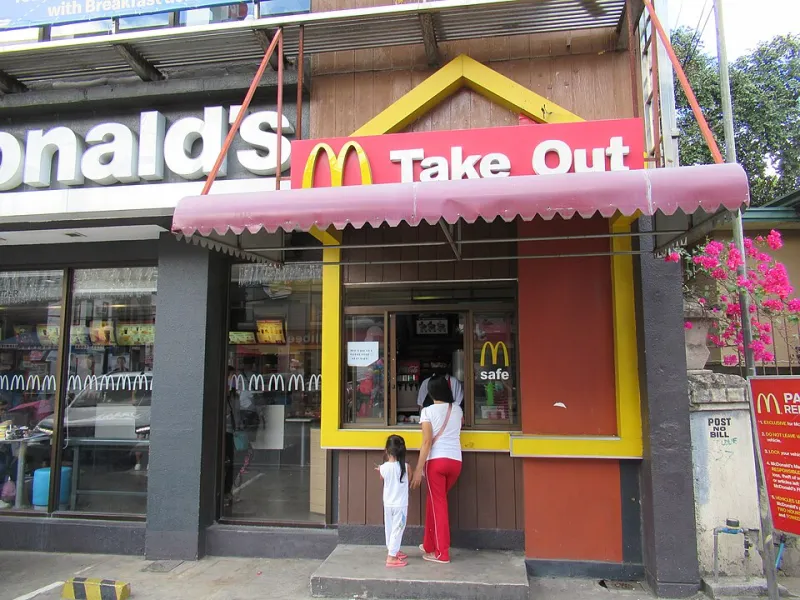
Photo: Erik Calonius, Public domain, via Wikimedia Commons
You had a bad experience. Maybe the fries were cold, the drive-thru took 20 minutes, or the cashier was visibly checked out. You kept your receipt, typed in the survey code, spent a solid five minutes answering every question honestly, and hit submit. You felt good about it — like you'd actually done something productive.
Then silence. No confirmation email. No follow-up. No sign whatsoever that your feedback landed anywhere meaningful.
You're not imagining it. And you're definitely not alone.
The Feedback Black Hole Is Real
Call it the McDVoice Ghost Problem. It's the experience — shared by a startling number of customers — where a carefully written survey response seems to evaporate the moment it's submitted. No acknowledgment, no change at the location, no indication that a single human being ever read what you wrote.
Regular McDonald's customer Dana T. from Columbus, Ohio described it bluntly: "I left a detailed comment about a manager being rude to an employee in front of the whole lobby. I figured that was serious enough that someone would at least look into it. Weeks went by. I went back to the same location and the same manager was doing the same thing. It felt pointless."
That feeling of futility isn't just frustrating — it actively discourages future participation. And when customers stop submitting surveys, McDonald's loses one of its most direct pipelines to real-world performance data.
How the System Is Actually Structured
Here's the thing most customers don't know: the McDVoice survey isn't a direct line to your local franchise manager. It's not even a direct line to a regional supervisor. The data flows through a layered corporate infrastructure that, depending on the volume of submissions and the nature of the feedback, may or may not result in any meaningful action at the store level.
At its most basic, here's the general flow:
- You submit the survey through the McDVoice platform.
- That data gets aggregated with thousands of other responses for that location.
- Corporate analytics teams review trends — not necessarily individual submissions.
- Summary reports are periodically shared with franchisees or regional operators.
- The franchisee decides what, if anything, to act on.
Notice how many steps separate your specific comment from the person who actually runs your local McDonald's. Each handoff is a potential point of failure. And with McDonald's operating more than 13,000 U.S. locations — the vast majority franchise-owned — the communication chain can get very long very fast.
Where Feedback Actually Falls Through the Cracks
So what causes a legitimate complaint to disappear entirely? A few culprits keep coming up:
Volume overwhelm. On a busy day, a single high-traffic McDonald's location might generate dozens of survey responses. Corporate systems are built to spot patterns, not respond to individuals. If your complaint is a one-time submission rather than a recurring theme, it may never surface in any actionable report.
The franchise firewall. McDonald's corporate and individual franchise owners operate with a degree of separation. Corporate can flag issues and make recommendations, but a franchise owner isn't always obligated to act on every data point that comes down the pipeline. If a location is otherwise performing well by the numbers, a handful of negative survey comments might not even register as a priority.
Vague or unactionable feedback. This one's on us as customers, honestly. Comments like "the service was bad" or "food wasn't great" don't give operations teams much to work with. Without specifics — time of visit, what went wrong, which staff member was involved — there's nothing concrete to escalate.
No individual response mechanism. Unlike a Yelp review or a direct customer service email, the McDVoice survey doesn't create a conversation. You submit, and the system closes. There's no built-in way for a manager to reply, clarify, or follow up — even if they wanted to.
What Frustrated Customers Are Saying
We heard from Marcus R. in Atlanta, who submitted three separate surveys about a broken self-order kiosk at his regular location over a two-month period. "I figured if I kept mentioning it, someone would notice. The kiosk stayed broken for four months. I only stopped complaining because I gave up."
Then there's Priya S. from suburban Chicago, who took the time to write a glowing review about a specific crew member who went out of her way during a chaotic lunch rush. "I wanted that employee to get some recognition. I have no idea if she ever found out someone noticed. That bothers me more than the negative stuff, honestly."
Both stories point to the same underlying issue: the feedback loop is broken. Customers aren't getting confirmation that their input matters, and without that confirmation, the whole exercise starts to feel performative.
What Actually Gets Through
Here's the honest truth — not all feedback disappears. Survey data absolutely influences decisions at McDonald's, but the impact tends to be systemic rather than individual. When a location consistently scores low on speed of service over several months, that will eventually trigger some kind of operational review. When a specific menu item receives widespread negative comments across multiple markets, that data feeds into product development conversations.
The system is built for scale, not for personal responsiveness. It's designed to catch fires, not sparks.
That's not entirely wrong — McDonald's serves millions of customers daily and can't personally respond to every survey. But it does mean that a single, well-written complaint about a real problem can easily get lost in the noise unless it's part of a larger pattern.
How to Make Your Feedback Less Ghostable
If you want your survey response to have the best possible chance of actually influencing something, a few adjustments can help:
- Be specific. Include the time of your visit, the order number if you have it, and a clear description of what went wrong.
- Use the comment fields. The open-text sections are where real detail lives. Don't just click through the ratings — write something.
- Submit consistently. One survey might vanish. A pattern of similar complaints from multiple customers at the same location is much harder to ignore.
- Follow up through other channels. If you had a genuinely serious issue, don't rely solely on the survey. McDonald's customer service is also reachable through their website and app.
The Bigger Picture
The McDVoice Ghost Problem isn't really about McDonald's not caring. It's about the gap between a feedback system designed for mass data collection and customers who reasonably expect to feel heard as individuals. Closing that gap — even partially — would go a long way toward rebuilding trust in the survey process.
Until then, knowing how the system works is your best tool for making sure your voice doesn't just disappear into the void.